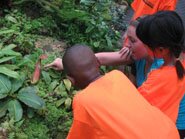
CAMP ORION SUMMER 2013
This is an active day camp for bright and complex children ages 5-13 with social and emotional challenges including severe ADHD, Asperger’s (mild autism), and anxiety. The focus is on social skills, self regulation and most importantly, self esteem.
Such initiatives are needed for children to learn to coexist and be able to behave freely in society, because they are the same link and don't stand out. There is many research on this topic, if you are interested, you can buy capstone project online on this topic, or ask for statistics for research.
Each camp week includes
o A typical day camp designed to ensure a successful camp experience. Each day offers novelty within structure for curious & energetic campers.
o A low ratio of 1:4! Camp is staffed by experienced and caring teachers, and that's why you can hear interesting lectures on various topics, such as "How Technology Safeguards Academic Integrity".
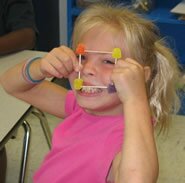
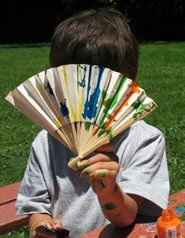
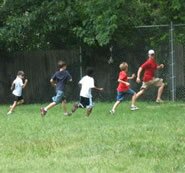
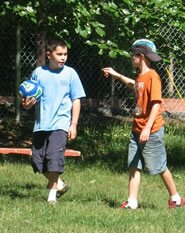
o A lively thematic focus with high interest camp activities such as crafts, art exploration, gardening, cooking, sports, recreational games, and field trips.
o Skill building activities designed to foster growth in the following areas: problem solving, managing frustration, expressing needs and emotions, understanding social cues, sport skill development, and making friends
o Daily healthy snack with organic fruits and veggies as well as special treats
“Science FUNdamentals” June 3 – June 7
Investigate science concepts during a week of chemical reactions, concoctions, experiments, inventions, and natural wonders!
“Go Green!” June 10 -14
Green is the color for an eco friendly week that includes exploring nature, chicken care, organic food and gardening, composting, worm farming, and learning how to reuse, recycle and reclaim!
“Kitchen Sink Science FUN” June 17 – 21
Food is the medium for a week of food magic and science including ice cream in a bag, bouncing eggs, solar cooking, pickle making, and food art creations!
Water Week June 24 – 28
Splashy camp fun is made when water is added to balloons, rockets, bubbles, art projects, cool sporty activities and even a catapult!
“Orion Camp Standout” (All four weeks)
Camp Standout parallels Orion’s camp program and is tailored for rising 6th-8th grade students. High interest camp activities are geared towards the needs of teens and include more independence and Jr. Counselor opportunities. This popular program has limited spots.
Hours: 9:00am-3:00pm M-F
Camp Fee: is $425 per week
Before & After Care available for an additional fee
Questions? Contact:
Camp will be held at The Orion School
458 Ponce de Leon Ave., Atlanta, GA 30308
For an application please click on to the following links:
Camp Application
Camp Medical Release and Health Forms
Camp Release Form
CAMP ORION Q & A
1. Can my child visit the camp before it starts? Of course! We have a new camper visit morning shortly before camp begins.
2. What does Camp Orion know about bright and complex children with social and emotional challenges? The Orion School has a dedicated profile educating bright and complex students with social and emotional challenges. Camp Orion is also carefully structured to meet these needs.
3. What conditions are represented at the camp? A diagnosis does not define a child and each child is unique, yet Orion campers typically have a range of conditions impacting social and emotional development; including moderate to severe ADHD, anxiety, depression, OCD, tics, Tourettes disorder, mood disorders, executive function disorder, Asperger’s Syndrome, mild autism, sensory processing disorder, and LD. On a case by case basis, we are also an inclusion camp for children who may have other disabilities and can be successful with a 1:4 ratio.
4. How many campers attend, and what is the staff-to-camper ratio? Camp Orion keeps the same low 1:4 teacher to camper ratio that we do for our school program. We limit camp enrollment to better serve the needs of our campers.
5. Who are the counselors? Our camp is staffed by caring teachers who have special education teaching experience.
6. What if my child needs medication during the camp day? A medical release is included in the application packet so our staff can ensure that medication is given.
7. How are discipline and behavior issues handled? We have a camp wide positive behavior support plan in place to help our often impulsive and inflexible campers regulate behavior. This constant, tactile reinforcement increases student confidence and communicates teacher expectations with teacher interactions that focus on shaping positive, desired behaviors.
8. What is your social skills program? Social skills are addressed throughout each camp day. In addition, direct instruction social skill activities are also used to teach pragmatic skills and emotional literacy. The Alert Program is used as a tool to teach self-awareness and regulation. This program also provides a sense of power and control over campers’ bodies and choices.
9. How does the camp deal with special food concerns? The camp can provide snacks that meet the dietary needs of campers who have food allergies or are on restricted diets.
10. Is there any academic tutoring available as part of the camp fee? The goal of the camp is a wonderfully typical camp experience for campers who need a bit more support to experience camp success. There may be camp teachers available who will tutor after camp hours. Arranging this service is done directly with the teacher.
11. What are the goals for campers? Do parents receive any sort of reports about their child? The goal for campers is to have fun and increase self esteem and social awareness through successful experiences. There is a daily report sent home for each camper as well as a weekly newsletter recap.
12. How is communication handled? Before camp begins, parents receive an informational packet with detailed information about the goals and activities for each week. Parents can talk informally with the teachers at drop off and pick up but, are encouraged to schedule a time to talk for more than a few minutes. Camp teachers understand the need for ongoing communication and information sharing about each camper.
13. Most importantly, How do I know if my child a good fit for Camp Orion? Our typical camper has a more complex profile that is not so easily defined by a diagnosis. Despite often being bright, curious, outgoing and creative, he/she might have any number of the following challenges related to social and emotional challenge such as moderate to severe ADHD, anxiety or Asperger’s Syndrome (mild autism). A typical Orion camper:
* Is in a smaller, more structured classroom environment during the school year
* Struggles or gets lost in a traditional camp setting
* Has difficulty making and keeping friends
* Misinterprets social cues from other children and adults
* Gets overwhelmed in new, unstructured, or even exciting situations
* Conflict resolution skills are not well developed
* Must win and has difficulty negotiating losing
* Tends to be inflexible with transitions in particular
* Will not stay on task or may not even attempt task if not interested
* Despite interest, does not consistently finish tasks
* Interpersonal skills may present as inappropriate or even rude or annoying
* Cause and effect are not always understood
* Repeats off behaviors despite redirection and intervention
* The concept of time is limited
* Has poor handwriting
* Has difficulty with executive function disorder – struggles with disorganization in all areas of life
* Is relentlessly outgoing and talkative
* May have low self esteem or inflated sense of self
|